
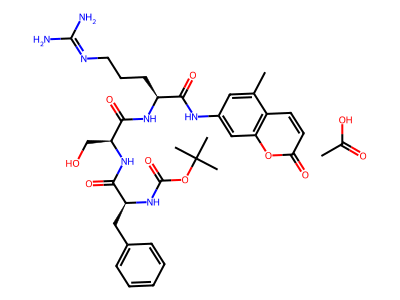
Trypsin
胰蛋白酶
Also known as: Trypure, Tryptar, Parenzyme, Cocoonase, Pig trypsin, TPCK-treated trypsin
Trypsin (CAS 9002-07-7) is a compound in the Organic Compounds category listed in the Jingsj chemical database. It has the molecular formula C6H15O12P3 and a molecular weight of 372.1 g/mol. It is also known as Trypure, Tryptar and Parenzyme. Key property: a melting point of 115°C. It is classified under GHS with signal word Danger and hazard statements H315 — Causes skin irritation, H319 — Causes serious eye irritation and H334 — May cause allergy or asthma symptoms if inhaled. No supplier offers are currently listed; request a quote. Record last updated Aug 21, 2026.
- CAS No.
- 9002-07-7
- Jingsj CID
- J-50333-4
- Molecular Formula
- C6H15O12P3
- Chinese Name
- 胰蛋白酶
- Molecular Weight
- 372.1 g/mol
- Category
- Organic Compounds
- Last updated
- 8/21/2026
No offers for this compound yet.
Request a quotePhysicochemical Properties
| Melting Point | 115°C |
|---|---|
| Appearance | lyophilized powder |
| Additional Property | Reconstitute in aqueous buffer | Soluble in water (10 mg/ml), phosphate buffers (10 mg/ml), and balanced salt solutions (1 mg/ml). |
GHS Safety & Compliance
- H315 — Causes skin irritation
- H319 — Causes serious eye irritation
- H334 — May cause allergy or asthma symptoms if inhaled
- H335 — May cause respiratory irritation
Activity & Biological Data
| Target | PAR2, PAR4[6] |
|---|---|
| Additional Information | [1]. Bhupendra S.Kaphalia. Chapter 16 - Biomarkers of acute and chronic pancreatitis. Biomarkers in Toxicology. 2014, Pages 279-289. [2]. Yue-Lin Yang,et al. Trypsin promotes porcine deltacoronavirus mediating cell-to-cell fusion in a cell type-dependent manner. Emerg Microbes Infect. 2020 Feb 24;9(1):457-468. [3]. H Amano, et al. Trypsin promotes C6 glioma cell proliferation in serum- and growth factor-free medium. Neurosci Res. 1996 Jul;25(3):203-8. [4]. Michael J. V. White, et al. Trypsin Potentiates Human Fibrocyte Differentiation. PLoS One. 2013; 8(8): e70795. [5]. R Costa, et al. Evidence for the role of neurogenic inflammation components in trypsin-elicited scratching behaviour in mice. Br J Pharmacol. 2008 Jul;154(5):1094-103. [6]. F Schmidlin, et al. Protease-activated receptors: how proteases signal to cells. Curr Opin Pharmacol. 2001 Dec;1(6):575-82. |
Frequently Asked Questions
What is the CAS number of Trypsin?
The CAS number of Trypsin is 9002-07-7.
What are the molecular formula and molecular weight of Trypsin?
Trypsin has molecular formula C6H15O12P3 and molecular weight 372.1 g/mol.
Is Trypsin hazardous?
Trypsin has GHS signal word Danger and hazard statements H315 — Causes skin irritation; H319 — Causes serious eye irritation; H334 — May cause allergy or asthma symptoms if inhaled.
Data compiled from public chemical databases and supplier catalogs; supplier offers are provided by suppliers.
Last updated:
How to cite: Jingsj. "Trypsin (CAS 9002-07-7)". Jingsj Chemical Database. https://www.jingsj.com/compound/J-50333-4 (accessed 2026-10-28).
Data for reference only; verify specifications, grades and regulatory status with suppliers before purchase.