
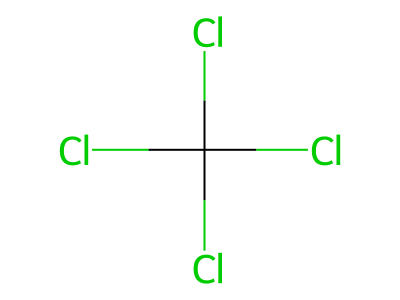
Carbon tetrachloride
Also known as: 1,1-Dimethyl acetate, 1,1-dimethylethyl acetate, Acetic acid,1,1-dimethylethyl ester, EINECS 203-453-4, MFCD00006998, Texaco lead appreciator, acetic acid tert-butyl ester, anhydrous tert-butyl acetate, anhydrous tetra-chloro-methane, carbon chloride, carbone tetrachloride, t-Butyl acetate, tert-BuOCOCH3, tert-Butyl ethanoate, tert-butyl N-acetate, tetrachloro-methane, tetrachloromethane
Carbon tetrachloride (CAS 56-23-5) is a compound in the Organohalogen Compounds category listed in the Jingsj chemical database. It has the molecular formula CCl4 and a molecular weight of 153.82 g/mol. Key properties include a melting point of -23 °C, a boiling point of 76.0±8.0 °C at 760 mmHg, a density of 1.7±0.1 g/cm3 and a flash point of -0.3±15.8 °C. It is classified under GHS with signal word Danger and hazard statements H301 — Toxic if swallowed, H311 — Toxic in contact with skin and H331 — Toxic if inhaled. No supplier offers are currently listed; request a quote. Record last updated Aug 21, 2026.
- CAS No.
- 56-23-5
- Jingsj CID
- J-2874-1
- Molecular Formula
- CCl4
- Molecular Weight
- 153.82 g/mol
- Category
- Organohalogen Compounds
- Last updated
- 8/21/2026
No offers for this compound yet.
Request a quotePhysicochemical Properties
| Melting Point | -23 °C |
|---|---|
| Boiling Point | 76.0±8.0 °C at 760 mmHg |
| Density | 1.7±0.1 g/cm3 |
| Flash Point | -0.3±15.8 °C |
| Exact Mass | 151.875412 |
| LogP | 2.86 |
| Additional Property | 5.32 (vs air) |
| Vapor Pressure | 112.7±0.1 mmHg at 25°C |
| Refractive Index | 1.487 |
| Additional Property | 0.8 g/L (20 ºC) |
GHS Safety & Compliance
- H301 — Toxic if swallowed
- H311 — Toxic in contact with skin
- H331 — Toxic if inhaled
- H317 — May cause an allergic skin reaction
- H351 — Suspected of causing cancer
- H372 — Causes damage to organs through prolonged exposure
- H412 — Harmful to aquatic life with long lasting effects
- H420
Activity & Biological Data
| Additional Information | [1]. Nakade Y, et al. Involvement of endogenous CRF in carbon tetrachloride-induced acute liver injury in rats. Am J Physiol Regul Integr Comp Physiol. 2002 Jun;282(6):R1782-8. [2]. Ma N, et al. MiR-552-3p Regulates Multiple Fibrotic and Inflammatory genes Concurrently in Hepatic Stellate Cells Improving NASH-associated Phenotypes. Int J Biol Sci. 2023 Jul 3;19(11):3456-3471. [3]. Kondeva-Burdina M, et al. In Vitro/In Vivo Hepatoprotective and Antioxidant Effects of Defatted Extract and a Phenolic Fraction Obtained from Phlomis Tuberosa. Int J Mol Sci. 2023 Jun 25;24(13):10631. |
|---|
Customs & Trade Information
| HS Code | 2903140090 |
|---|
Frequently Asked Questions
What is the CAS number of Carbon tetrachloride?
The CAS number of Carbon tetrachloride is 56-23-5.
What are the molecular formula and molecular weight of Carbon tetrachloride?
Carbon tetrachloride has molecular formula CCl4 and molecular weight 153.82 g/mol.
Is Carbon tetrachloride hazardous?
Carbon tetrachloride has GHS signal word Danger and hazard statements H301 — Toxic if swallowed; H311 — Toxic in contact with skin; H331 — Toxic if inhaled.
What are the upstream and downstream products of Carbon tetrachloride?
For Carbon tetrachloride, Upstream Products: Dichloromethane, Chloromethane, m-Xylene; Downstream Products: Ammonia, 2,3-Dichloropropionaldehyde, O,O-diisopropyl hydrogen dithiophosphate.
Data compiled from public chemical databases such as PubChem and supplier catalogs; supplier offers are provided by suppliers.
Last updated:
How to cite: Jingsj. "Carbon tetrachloride (CAS 56-23-5)". Jingsj Chemical Database. https://www.jingsj.com/compound/J-2874-1 (accessed 2026-11-06).
Data for reference only; verify product details with suppliers before purchase.